
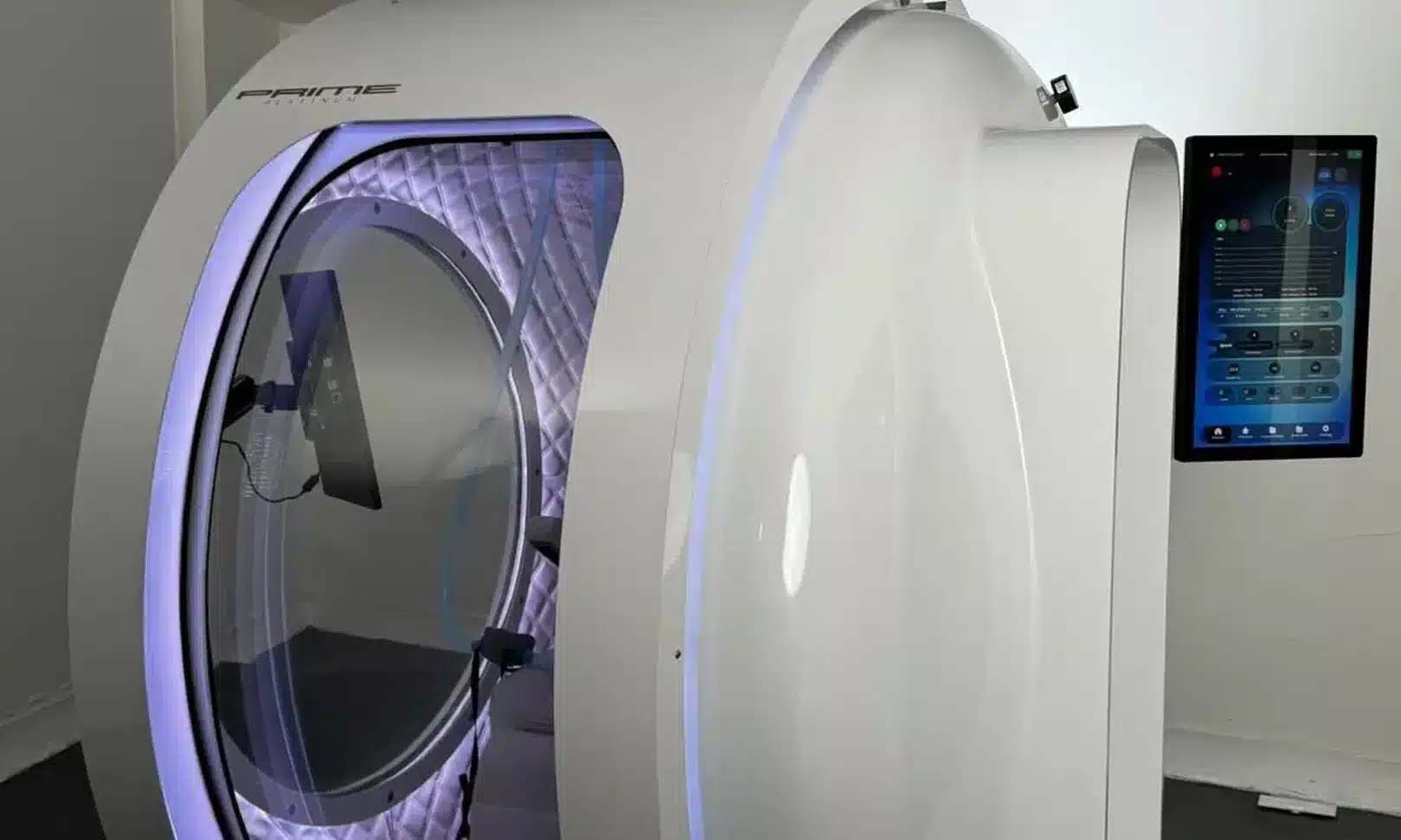
Pressure is what makes a hyperbaric chamber different from simply breathing oxygen in a regular room. If you are exploring wellness sessions, it is helpful to understand what mild pressure means and how it compares to clinical settings. For a local overview of chamber types, visit Understanding Hyperbaric Chambers In San Ramon, CA.
For a broader look at hyperbaric oxygen therapy throughout the region, A Complete Guide To Hyperbaric Oxygen Therapy In East Bay is a helpful resource. The information below is general and educational. It is not medical advice, and anyone with health concerns should talk with a physician before any hyperbaric session.
Understanding ATA
Hyperbaric pressure is usually measured in atmospheres absolute, or ATA. This unit describes the total pressure around you, including the normal atmosphere.
- At sea level, you experience about 1.0 ATA.
- Diving to roughly 33 feet of seawater adds about one more atmosphere, bringing total pressure to about 2.0 ATA.
You may also see pressure described in pounds per square inch (psi) above normal atmospheric pressure. Both measurements describe the same idea in different units.
Typical Pressure In A Mild Chamber
Mild hyperbaric chambers generally operate at relatively low pressures. A common setting is around 1.3 ATA, which is roughly 4 psi above normal atmospheric pressure. That is similar to the pressure you would feel about 10 feet underwater. Some mild chambers can reach up to about 1.5 ATA, depending on the model and how it is used.
These levels are considered gentle compared with clinical settings. However, gentle does not mean that preparation can be skipped. Every guest should follow safety guidelines and discuss any health concerns with a doctor.
How That Compares To Medical Chambers
Medical chambers in hospitals and specialized clinics commonly operate at higher pressures, frequently 2.0 ATA or more. Treatment at these levels is prescribed by physicians for specific conditions and requires clinical oversight. Wellness sessions are not designed to replicate medical protocols, and they are not a substitute for physician-directed care.
What Pressure Feels Like
Even at mild levels, you will likely notice the pressure change. As the HBOT chamber pressurizes, many guests feel fullness in their ears, similar to an airplane descent. Swallowing, yawning, sipping water, or gently equalizing your ears usually helps. Once the chamber reaches its operating pressure, the sensation typically fades.
The return to normal pressure at the end of your session works the same way in reverse. Most guests find this part gentle and easy.
Why Pressure Is Increased Gradually
Pressure should never change suddenly. Trained staff increase and decrease pressure slowly so your ears and sinuses have time to adjust. At Vivaire Wellness Spa, our team monitors your comfort throughout. If you feel discomfort, let us know and we can pause or slow the process.
Does Higher Pressure Mean Better Results?
Not necessarily, and it is not appropriate to assume so. Different settings serve different purposes. Non-medical HBOT treatment is commonly used as part of a broader wellness routine, and it may complement other healthy habits. Individual experiences vary widely, and Vivaire does not guarantee specific wellness, recovery, or medical outcomes from any pressure level or number of sessions.
Who Should Be Cautious About Pressure Changes
Even gentle pressure is not right for everyone without guidance. People with a current cold, sinus congestion, ear problems, certain lung conditions, or recent ear or sinus surgery should talk with a physician before a session. Anyone with an implanted medical device, such as a pacemaker or cochlear implant, needs approval from a medical professional. Pregnant guests should also consult their doctor first. Sharing your health history with our team at booking helps us guide you appropriately.
Preparing Your Body For Pressure

A few simple steps can make pressure changes easier. Arrive well hydrated, avoid alcohol and nicotine for several hours beforehand, and practice swallowing or yawning as the session begins. Keeping a water bottle nearby can also help.
Questions To Ask Your Provider
Before booking, consider asking:
- What pressure does your chamber operate at?
- How long does pressurization take?
- Who monitors the session?
- What safety and preparation guidelines do you follow?
A reputable provider will answer each of these clearly.
Finding Mild Sessions Close To Home
If you have been searching for hyperbaric oxygen therapy near me, HBOT near me, or a hyperbaric chamber near me, pressure is one of the first details worth asking about. Guests looking for hyperbaric treatment near me or hyperbaric oxygen near me from San Ramon, Danville, Alamo, and Walnut Creek can visit Vivaire Wellness Spa in downtown Danville for a guided, non-medical experience.
Learn More At Vivaire
Vivaire Wellness Spa is the East Bay’s go-to destination for gentle, well-supervised hyperbaric sessions in a calm spa environment. Our team will gladly explain how our chamber works before your first visit. Call (925) 217-7560 today to ask questions or schedule your session.